
Close Menu
PlantTechSolutions
    Facebook X (Twitter) Instagram
    Trending
    • Tidy Cabling Becomes a Serious Upgrade for Busy Office Networks
    • Growing Glacial Lakes Prompt Closer Monitoring in High Mountain Valleys
    • Ground Radar Gives a Sharper Look at a Passing Asteroid
    • AI Code Assistants Learn to Explain the Changes They Make
    • Winter Soup And Fibre Rich Lunches Support Steady Energy At Work
    • A Radio Telescope on the Moon’s Far Side Could Hear the Early Universe
    • Protein at Breakfast Helps Adults Feel Fuller Through the Morning
    • Europa’s Cracked Ice Shell Records Tides From a Hidden Sea
    Facebook X (Twitter) Instagram YouTube
    PlantTechSolutions
    • Home
    • Technology
    • BioTech
    • Crop Tech
    • Soil Sensors
    • Agri Drones
    PlantTechSolutions
    Home»Agri Drones»Growing Glacial Lakes Prompt Closer Monitoring in High Mountain Valleys
    Agri Drones

    Growing Glacial Lakes Prompt Closer Monitoring in High Mountain Valleys

    Lily GreenBy Lily GreenNovember 10, 2026No Comments3 Mins Read0 Views
    Facebook Twitter Pinterest LinkedIn Telegram Tumblr Email
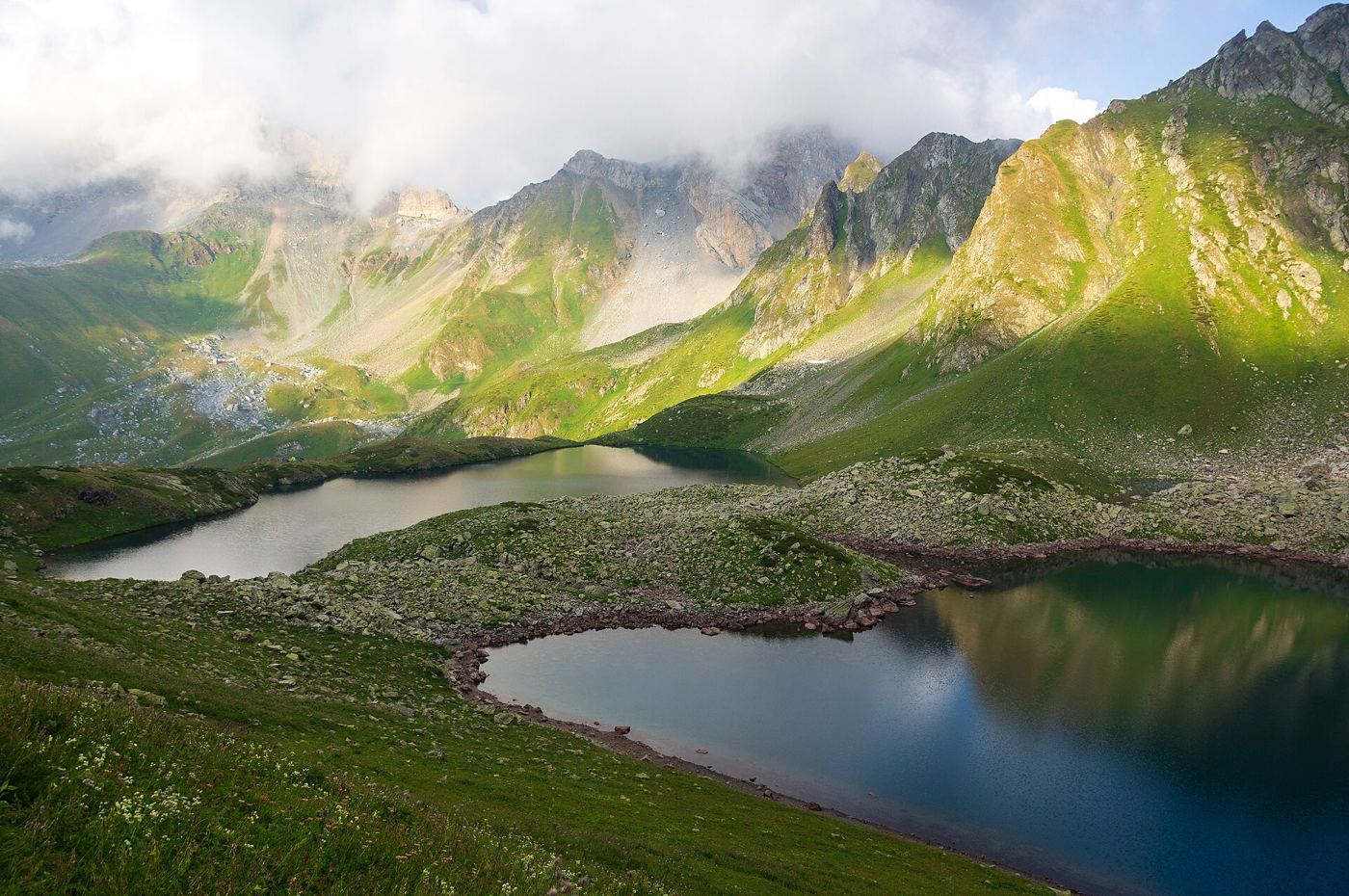
    A turquoise glacial lake sits in a steep mountain valley below a glacier.

    High in mountain ranges around the world, meltwater is collecting in lakes held back by loose rock and ice left behind by retreating glaciers. Geologists call these glacial lakes, and many are growing as glaciers thin and summers bring more melt into steep valleys. The lakes themselves can be strikingly beautiful, often milky turquoise from fine rock flour, but researchers monitor them closely because a sudden breach of a natural dam can send floodwater downstream with little warning. For villages, farms, roads and hydropower plants in the valleys below, understanding how fast a lake is changing has become an essential part of mountain safety planning. Satellite records extending back several decades help scientists separate a single wet season from a lasting trend, and they also show how quickly a small pond can become a substantial lake when a glacier retreats up a steep, confined valley floor.

    What the Evidence Shows

    Monitoring now combines satellite imagery, ground sensors and field visits, allowing teams to track lake volume, dam stability and seasonal changes without relying on a single annual survey. Scientists are careful to put the risk in context, noting that most glacial lakes remain stable for long periods and that early warning systems, drainage works and land-use planning can reduce danger considerably. The work also reveals how quickly high mountain landscapes are being reshaped, valley by valley. As monitoring improves, local authorities gain something valuable and unglamorous, which is time to prepare, to warn residents clearly, and to make better decisions about building in flood-prone places. Where risks are judged higher, engineers may recommend controlled drainage, stronger downstream defences or restrictions on new building, and those decisions work best when communities are involved early and understand the evidence behind them in plain, accessible language. Reporting and analysis from sources such as National Science Foundation track the same developments, and specialists following glacial lake monitoring say the direction is now consistent across independent lines of evidence.

    The Wider Context

    The wider context is a research landscape in which replication and open data now decide reputations. Findings connected to glacial lake monitoring are being checked by independent groups with shared datasets, and the teams involved publish their methods in full so rivals can test every step. That discipline is slower than a headline cycle, but it is why results in this area increasingly survive first contact with scrutiny.

    What Happens Next

    What happens next in the story of glacial lake monitoring will be decided by follow-up work already under way: larger samples, longer observation and instruments that have not yet come online. The researchers involved are unusually united on one point, that the current results justify the next investment of time and money. Readers will not have to wait long for the first tests of that claim. You can follow related developments in our coverage of science.

    There is a practical lesson in all of this for readers deciding what to do today. Start with the verified facts, be wary of anyone promising certainty, and prefer reversible steps while the evidence is still developing. Circumstances differ by country, income and personal situation, so general guidance should always be weighed against your own context before you act on it in any significant or lasting way.

    climate monitoring glacial lakes mountain safety
    Lily Green

    Related Posts

    Ground Radar Gives a Sharper Look at a Passing Asteroid

    November 9, 2026

    Winter Soup And Fibre Rich Lunches Support Steady Energy At Work

    November 8, 2026

    A Radio Telescope on the Moon’s Far Side Could Hear the Early Universe

    November 8, 2026

    Protein at Breakfast Helps Adults Feel Fuller Through the Morning

    November 7, 2026

    Europa’s Cracked Ice Shell Records Tides From a Hidden Sea

    November 7, 2026

    Kelp Forests Give Young Fish a Safer Start, Fisheries Gain

    November 5, 2026
    Leave A Reply Cancel Reply

    Search
    Recent Posts

    Tidy Cabling Becomes a Serious Upgrade for Busy Office Networks

    November 10, 2026

    Growing Glacial Lakes Prompt Closer Monitoring in High Mountain Valleys

    November 10, 2026

    Ground Radar Gives a Sharper Look at a Passing Asteroid

    November 9, 2026

    AI Code Assistants Learn to Explain the Changes They Make

    November 9, 2026

    Winter Soup And Fibre Rich Lunches Support Steady Energy At Work

    November 8, 2026

    A Radio Telescope on the Moon’s Far Side Could Hear the Early Universe

    November 8, 2026
    About Us

    PlantTechSolutions delivers latest tech trends, updates, innovations, insights, breakthroughs across agriculture, smart farming, sustainability, automation

    driving agri-tech forward with real-time news shaping tomorrow's farming landscape. #PlantTechSolutions

    Facebook X (Twitter) Instagram LinkedIn
    Popular Posts

    Tidy Cabling Becomes a Serious Upgrade for Busy Office Networks

    November 10, 2026

    Growing Glacial Lakes Prompt Closer Monitoring in High Mountain Valleys

    November 10, 2026

    Ground Radar Gives a Sharper Look at a Passing Asteroid

    November 9, 2026
    Contact Us

    If you have any questions or need further information, feel free to reach out to us at

    Email: contact@outreachmedia .io
    Phone: +92 305 5631208

    Address: 3439 Main Street
    Seattle, WA 98101

    • About Us
    • Contact Us
    • Disclaimer
    • Privacy Policy
    • Terms and Conditions
    • Write For Us
    • Sitemap

    Copyright © 2026 | PlantTechSolutions | All Right Reserved

    Type above and press Enter to search. Press Esc to cancel.

    WhatsApp us