

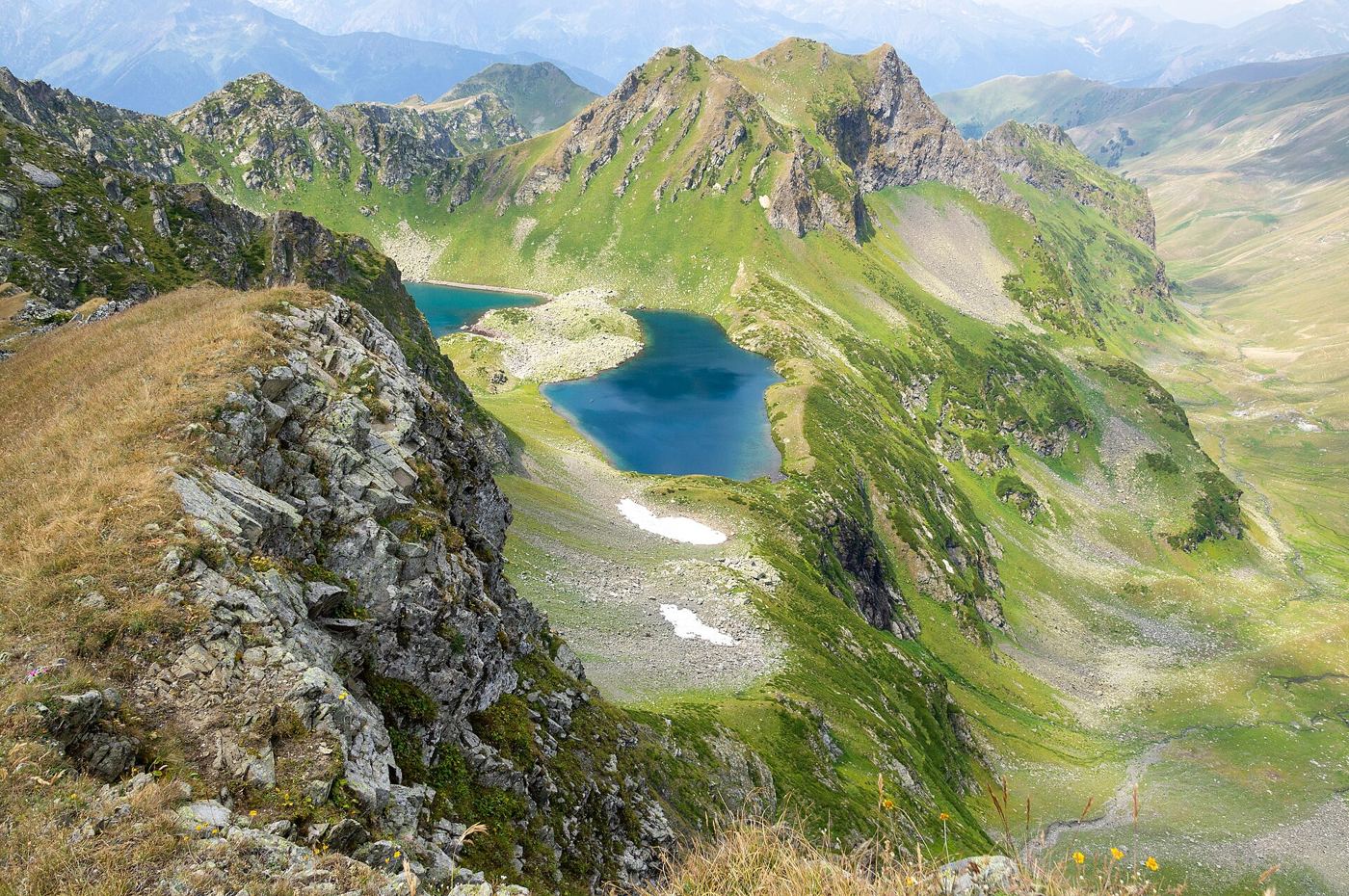
As mountain glaciers pull back up their valleys, they often leave behind something their ice once hid: a brand new lake, held in place by loose rock and debris where the glacier used to sit. Geologists mapping these lakes from satellites say their number and size have grown steadily in the Alps, the Andes, the Himalayas and Alaska over recent decades. At first glance the lakes look serene, a milky turquoise colour created by fine rock flour ground up by moving ice. Yet they change almost everything downstream. They store meltwater that once ran straight into rivers, they create fresh habitat for insects, birds and cold-water fish, and they alter how sediment moves through the valley. They can also pose a serious risk, because the natural dams holding them back are sometimes unstable, and a sudden breach can send a destructive flood toward villages below. That dual character, opportunity and hazard in the same body of water, is why research teams are now monitoring hundreds of these lakes with sensors, repeat photography and regular field visits, building an early picture of which ones are stable, which are growing fastest and which deserve the closest watch.
What the Evidence Shows
Fieldwork at several monitored lakes shows how quickly a new ecosystem can take hold once ice retreats and open water appears. Within a few summers, algae and tiny crustaceans colonise the shallows, followed by insects and then birds that feed along the shore. Scientists sampling the water have also found that older lakes, further from the remaining ice, support far richer life than younger, colder ones still dominated by meltwater. For communities downstream, the practical work matters most. Engineers are testing low-cost water-level gauges linked by satellite, so a sudden drop that might signal a breach can trigger warnings within minutes rather than hours. Some valleys are also considering careful drainage channels that lower lake levels gradually, reducing pressure on fragile dams without destroying the habitat that has formed. Researchers stress that no single solution fits every valley, because geology, weather and settlement patterns differ so widely. What is clear is that these lakes will keep appearing as glaciers continue to shrink, and understanding them early gives mountain regions a far better chance to benefit from the new water while managing its risks responsibly. Reporting and analysis from sources such as National Science Foundation track the same developments, and specialists following the new glacial lakes say the direction is now consistent across independent lines of evidence.
The Wider Context
The wider context is a research landscape in which replication and open data now decide reputations. Findings connected to the new glacial lakes are being checked by independent groups with shared datasets, and the teams involved publish their methods in full so rivals can test every step. That discipline is slower than a headline cycle, but it is why results in this area increasingly survive first contact with scrutiny.
What Happens Next
What happens next in the story of the new glacial lakes will be decided by follow-up work already under way: larger samples, longer observation and instruments that have not yet come online. The researchers involved are unusually united on one point, that the current results justify the next investment of time and money. Readers will not have to wait long for the first tests of that claim. You can follow related developments in our coverage of science.
There is a practical lesson in all of this for readers deciding what to do today. Start with the verified facts, be wary of anyone promising certainty, and prefer reversible steps while the evidence is still developing. Circumstances differ by country, income and personal situation, so general guidance should always be weighed against your own context before you act on it in any significant or lasting way.
